The platform, in use
Nine applications a Setu Unit would run. Three of them work — open one, raise a request, move the sliders, and watch the rules in the model actually behave. The rest are screen designs waiting to be built.
Everything runs in your browser on sample data. There is no account, no server, and nothing you do here leaves your own machine.
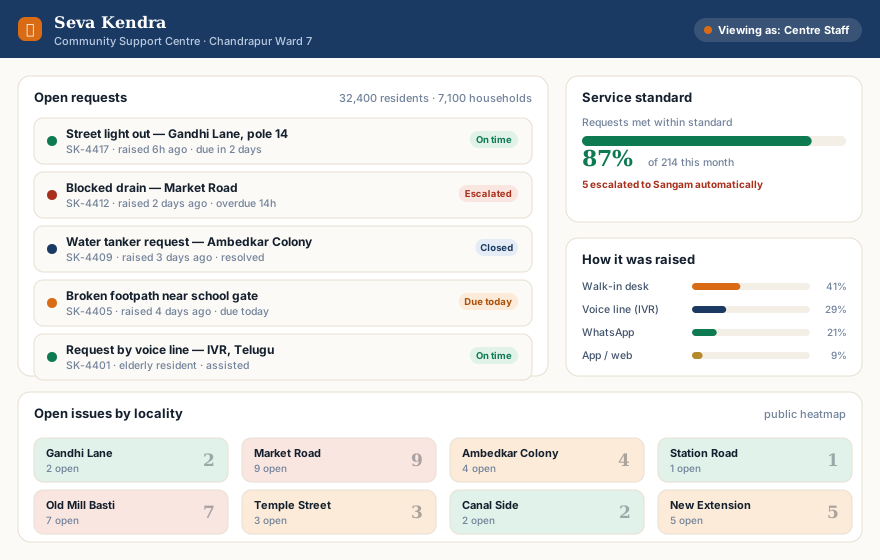
Seva Kendra
The front door. Raise a request, get a ticket and a visible clock, watch it escalate by itself when the service standard is breached.
A published service standard, and an escalation nobody has to chase.
Working demo
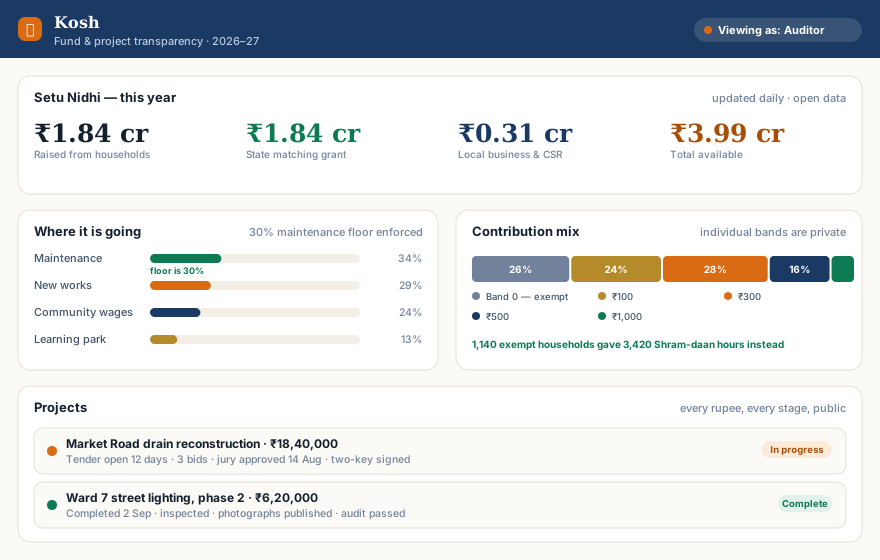
Kosh
Every rupee in and out. Contribution bands in aggregate, Shram-daan hours, the state match, and the maintenance floor as a visible gauge.
Bands shown in aggregate while each household's own band stays private.
Working demo
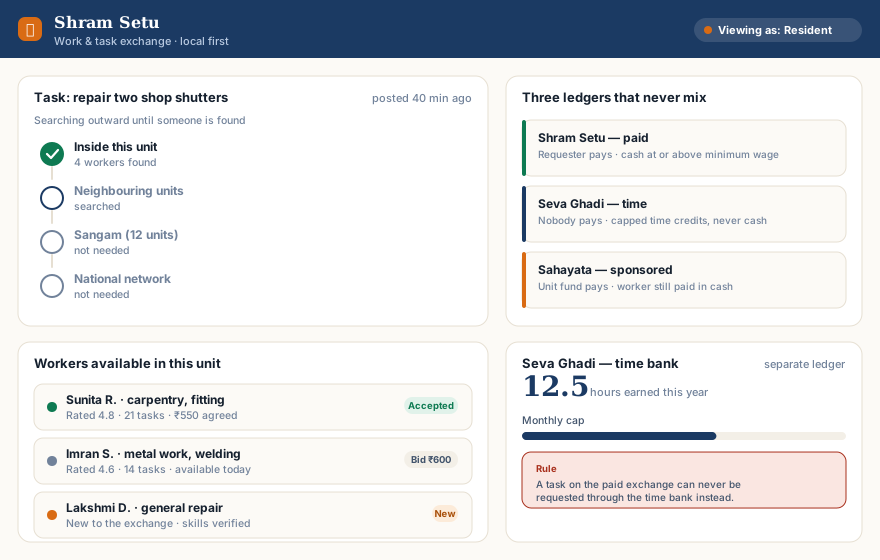
Shram Setu
Post a task and watch it searched inside the unit first, then the neighbours, then the cluster, then the country.
Three ledgers that never mix: paid work, time credits, fund-sponsored.
Working demo
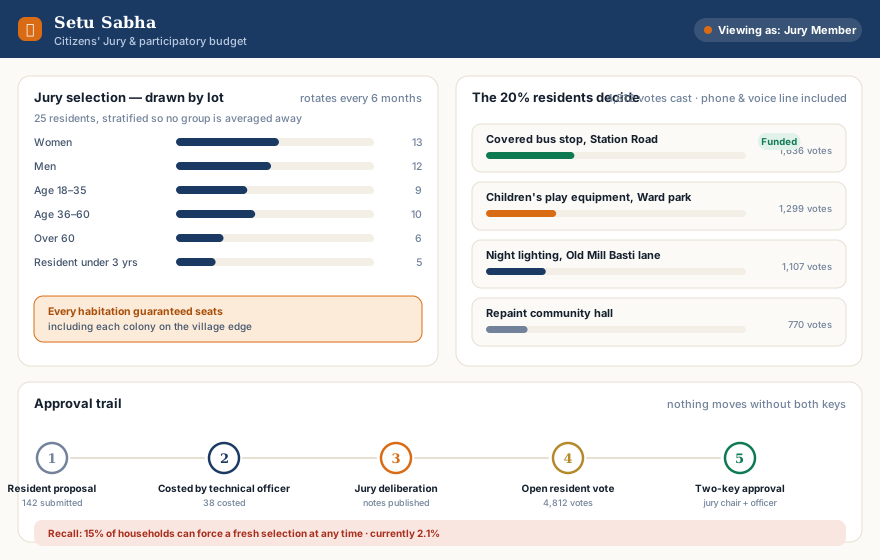
Setu Sabha
A jury drawn by lot, stratified so no group is averaged away, with seats guaranteed to every habitation.
Sortition, the 20% participatory vote, and two-key approval.
Working demo
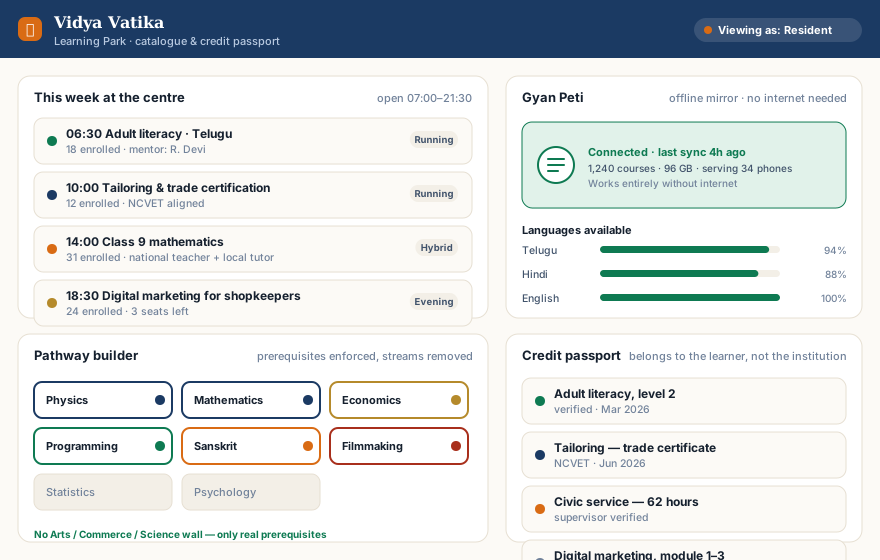
Vidya Vatika
The centre's timetable, a pathway builder that ignores the Arts–Commerce–Science walls, and an offline Gyan Peti indicator.
Real prerequisites kept, arbitrary streams removed.
Working demo
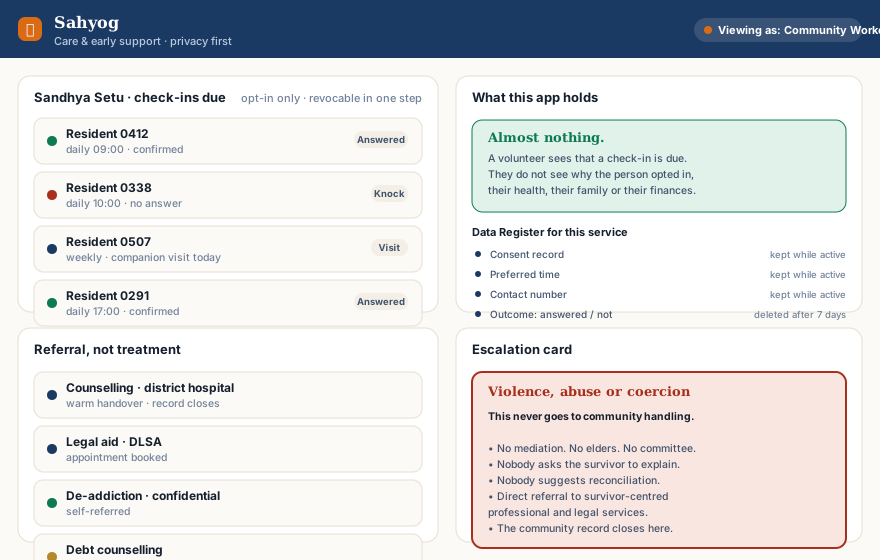
Sahyog
The most sensitive screen, so the design argument is subtraction. Residents appear as numbers; a volunteer sees that a check-in is due, never why.
Its Data Register is on the screen itself, and abuse never enters it.
Screen design
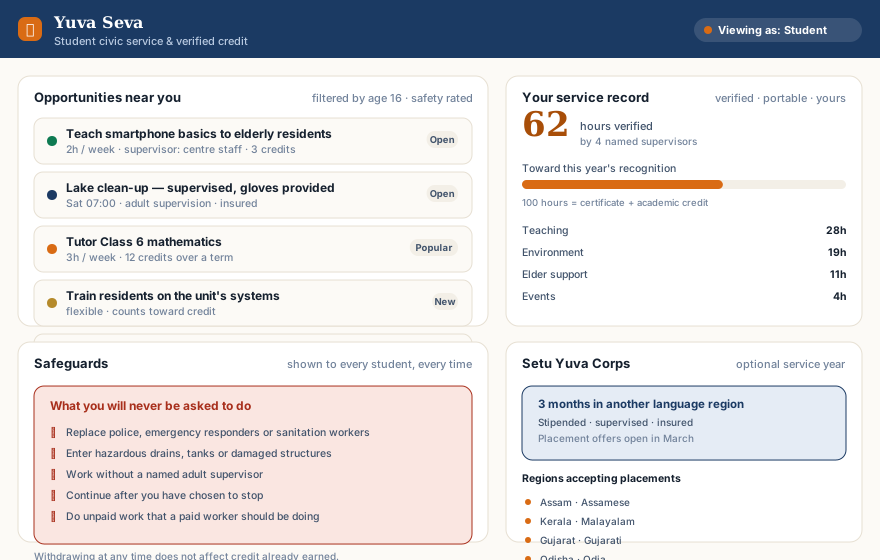
Yuva Seva
Find an age-appropriate opportunity, serve under a named supervisor, and collect hours a school or university can trust.
The safeguards panel a student sees on every visit.
Working demo
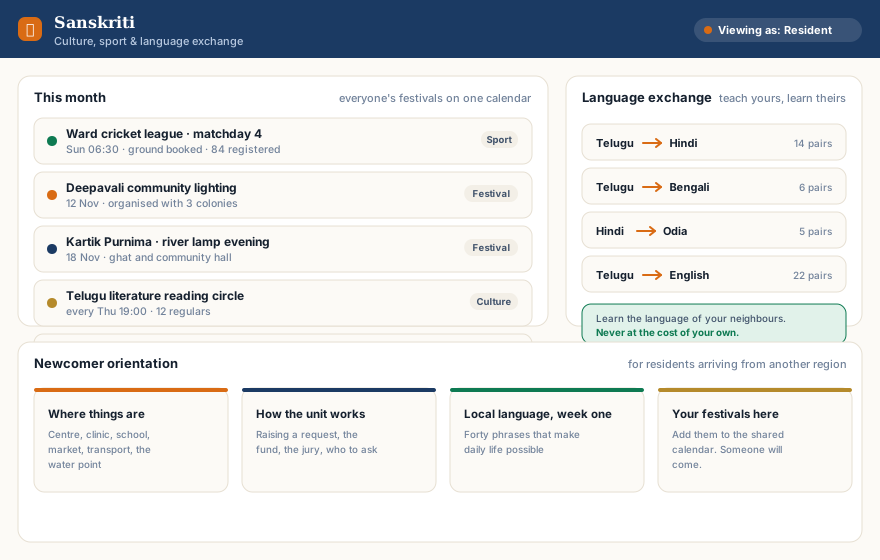
Sanskriti
The unit's living calendar, a sports league, and a language exchange board that runs in both directions.
You teach your mother tongue in the room where you learn the local one.
Working demo
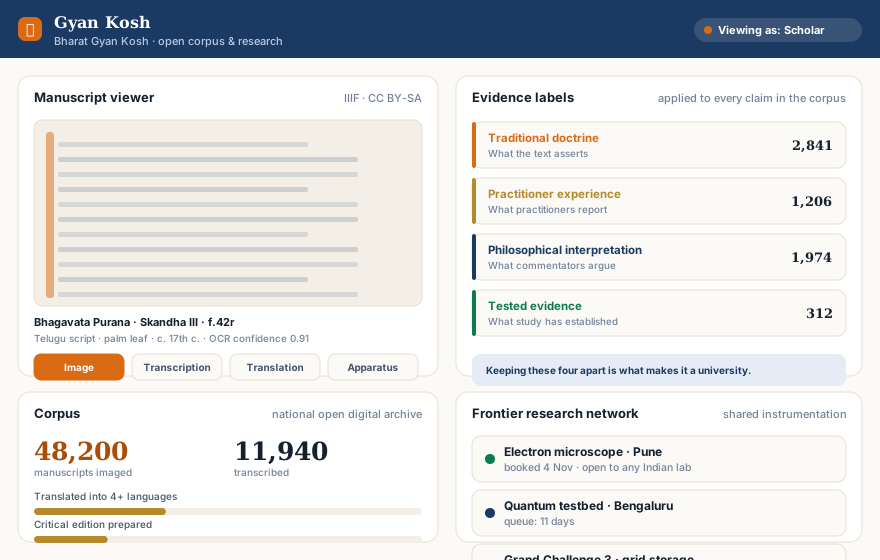
Gyan Kosh
A manuscript viewer with transcription and translation panes, and the national research network behind it.
Every claim labelled doctrine, experience, interpretation or tested evidence.
Screen design
Why these are worth clicking
A model this size is hard to argue with in the abstract. It is much easier to argue with a screen that shows a service clock running out, or a fund where a quarter of households pay nothing and contribute anyway.
Each demo is built to make one rule from the model visible and testable. Where a rule would be uncomfortable — that abuse never enters the community system, that a household's contribution band stays private — the screen is designed to prove it rather than assert it.